Cleaning That Doesn't Strip Paint or Splinter Wood
Soft washing in Hollidaysburg for delicate exterior surfaces damaged by high-pressure methods
High-pressure washing strips paint, splinters wood siding, and forces water behind trim boards on older homes, causing damage that costs more to repair than the cleaning itself. Under Pressure Pro Cleaners uses soft washing techniques for residential properties throughout Hollidaysburg and Blair County, applying low-pressure biodegradable surfactants that kill algae, lichen, and mold at the root rather than just blasting surface staining. Older Victorian and craftsman homes in Hollidaysburg's historic core, along with Newry-area properties with wood siding, require soft washing to avoid the surface damage that high-pressure equipment causes on aged or fragile materials.
Soft washing treats the biological organisms causing discoloration rather than mechanically removing them with force. Pennsylvania's humid Allegheny summers accelerate algae, lichen, and mold growth on wood and vinyl-clad homes, particularly on north-facing walls that stay shaded and retain moisture. The biodegradable surfactant penetrates porous surfaces, killing organisms at their root structure so they release from the material naturally rather than being forcibly stripped away along with paint, finish, or surface fibers.
Request a surface evaluation to determine whether your siding, trim, and roofing materials require soft washing or can tolerate higher-pressure methods.
How Soft Washing Kills Growth Without Surface Damage
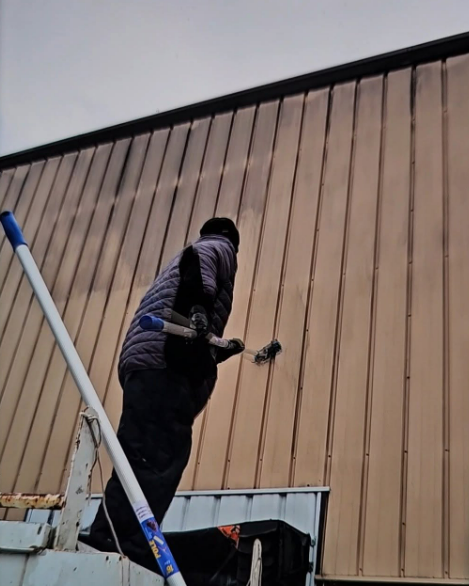
The process involves applying a biodegradable surfactant solution at low pressure, allowing dwell time for the chemical to penetrate and kill root structures, then rinsing with controlled water flow that doesn't exceed the material's tolerance. Wood siding, painted surfaces, and older vinyl cladding absorb the treatment without the splintering, paint removal, or water intrusion that high-pressure equipment causes. Dwell time matters—rushing the rinse before the surfactant fully penetrates leaves live spores that regrow within weeks.
After soft washing, green and black streaking disappears from siding and trim, surfaces return to their original color without paint loss or wood grain damage, and regrowth takes significantly longer compared to pressure washing alone. You'll notice that paint remains intact, wood surfaces aren't roughened or splintered, and water hasn't been forced into wall cavities or behind trim boards. The cleaning lasts longer because organisms are killed rather than temporarily displaced, meaning you're not repeating the process every season to address the same staining.
Soft washing works for vinyl siding, painted wood, stucco, and composite materials that cannot tolerate high PSI. It is not suitable for heavy oil staining, embedded rust, or mineral deposits, which require mechanical or chemical treatments beyond low-pressure surfactant application. The method also does not address structural wood rot or deteriorated caulking—those are repair issues separate from cleaning.
What Homeowners Want to Know About Soft Washing
Soft washing is the correct method for most residential exteriors in this region, but understanding when and why it's necessary helps you avoid costly surface damage from inappropriate cleaning techniques.
What makes soft washing different from regular pressure washing?
Soft washing uses low-pressure application and relies on biodegradable surfactants to kill organisms chemically rather than blasting them off mechanically. Pressure washing uses high PSI to remove contaminants by force, which works for hard surfaces like concrete but damages wood, paint, and older siding materials.
Why does algae grow so quickly on homes in Hollidaysburg?
Pennsylvania's humid summers and shaded north-facing walls create ideal conditions for algae, lichen, and mold growth. Moisture retention in porous siding materials allows spores to root and spread, particularly on homes surrounded by trees or located near water sources where airborne spore counts are higher.
How long does soft washing treatment last before regrowth occurs?
Properly applied soft washing kills organisms at the root, delaying regrowth for one to three years depending on surface exposure and surrounding vegetation. High-pressure washing only removes surface staining and leaves live spores, which regrow within months. Homes in heavily shaded or moisture-prone areas may see faster return even after soft washing.
Can soft washing damage plants or landscaping around the house?
Biodegradable surfactants are formulated to break down without harming vegetation when properly diluted and rinsed. Pre-wetting plants before application and thoroughly rinsing surrounding landscaping after treatment prevents chemical contact damage. Under Pressure Pro Cleaners protects foundation plantings and lawn areas during every soft washing job.
What surfaces should always be soft washed instead of pressure washed?
Painted wood siding, older vinyl cladding, stucco, composite trim, and any surface with visible wear or aging should be soft washed to avoid stripping, splintering, or water intrusion. If you're unsure whether your siding can handle high pressure, soft washing is the safer default method.
Under Pressure Pro Cleaners specializes in soft washing techniques as a core service, backed by nine years of combined experience and full licensing and insurance. Schedule a free estimate to review your home's siding condition and determine the safest cleaning approach for your specific materials.