Outdoor Surfaces Cleaned Without Joint Damage
Patio cleaning in Hollidaysburg for pavers, stamped concrete, and bluestone surfaces affected by moss, lichen, and organic buildup
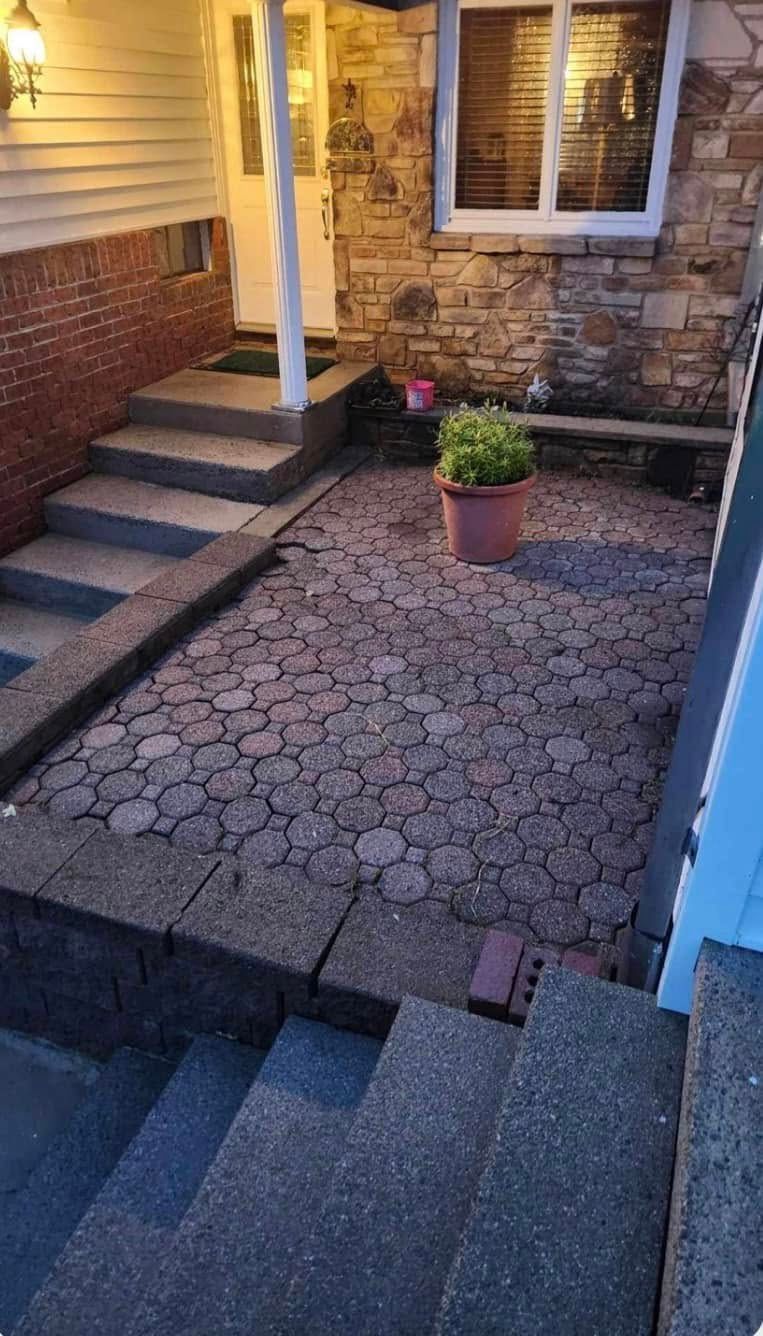
Bluestone, pavers, and stamped concrete patios across Hollidaysburg develop heavy lichen and moss growth during wet Pennsylvania springs, creating slippery surfaces and discoloration that won't rinse away with a garden hose. Improper pressure washing strips polymeric sand from paver joints and causes long-term settling problems that require expensive resanding and releveling work, especially on outdoor living spaces in Roaring Spring and Frankstown neighborhoods where paver and stone patio installations are popular. Under Pressure Pro Cleaners calibrates pressure for the specific patio surface type—pavers, stamped concrete, and natural stone each require a different approach to remove buildup without blasting out joint material or damaging the surface texture.
The cleaning process begins with identifying the patio material and assessing joint condition, then applying a treatment formulated for organic growth that breaks down moss and lichen so they release from the surface. Pressure is dialed back to levels that clean the stone or concrete without exceeding the force threshold that dislodges polymeric sand from paver joints—typically 1,200 to 1,800 PSI depending on the installation age and joint sand type, compared to the 3,000+ PSI that causes joint damage.
Arrange an on-site consultation to review your patio material type and current condition before scheduling the cleaning work.
Why Surface-Specific Pressure Settings Work for Patio Materials
Different patio materials have different tolerances for water pressure—natural bluestone and flagstone can handle higher pressure than stamped concrete with its textured surface layer, while paver installations require the lowest settings to protect joint sand that holds the individual units in place and prevents shifting. Using the wrong pressure setting either leaves organic growth in place or causes structural damage that shows up months later as uneven settling, weed growth through widened joints, or surface pitting on stamped concrete patterns.
Once the patio is cleaned, you'll notice that moss and lichen no longer cover the surface, the original color of the stone or concrete becomes visible again, and the texture is no longer slippery when wet. Joint sand between pavers remains intact rather than washed out, so the installation stays level and stable without requiring immediate repair work to refill gaps.
The service includes pre-wetting surrounding landscaping to prevent chemical absorption by plant roots, adjusting pressure based on real-time observation of how the surface responds during initial passes, and inspecting joint integrity after cleaning to confirm that no structural damage occurred. Cleaning does not seal the patio, reapply joint sand, or repair existing cracks—it removes organic buildup and restores the surface to its clean condition without causing additional maintenance needs.
Answers to Frequent Service Questions
Property owners in Hollidaysburg often ask about the cleaning process and what happens to different patio materials during the work.
How does paver cleaning avoid blasting out the polymeric sand between joints?
Pressure is calibrated to stay below the force level that dislodges joint sand—this means using wider spray patterns, maintaining greater distance from the surface, and reducing PSI to the minimum needed to remove organic growth without directing concentrated water pressure into the joints themselves.
What causes the heavy moss and lichen growth on patios during Pennsylvania springs?
Extended periods of moisture combined with cool temperatures create ideal conditions for moss and lichen to establish on porous stone and concrete surfaces—shade from nearby trees and limited sun exposure slow the drying process, allowing organic growth to spread faster than it would on sunny, well-drained areas.
When should a patio be cleaned to prevent permanent staining?
Organic growth left in place for multiple seasons can cause root structures to penetrate the porous surface material, leading to discoloration that remains even after the visible moss or lichen is removed—cleaning within the first year of noticeable buildup prevents this deeper staining from setting.
What's the difference between cleaning stamped concrete and regular poured concrete?
Stamped concrete has a textured surface layer that replicates stone or tile patterns, and excessive pressure can wear away this texture or damage the color layer—it requires lower PSI settings and angled spray techniques compared to smooth poured concrete that can tolerate higher direct pressure.
What happens if joints are already damaged or sand has been washed out previously?
Cleaning can proceed on patios with compromised joints, but you'll need to plan for resanding and joint repair after the surface is cleaned—this is separate work from the cleaning itself, and the extent of joint damage determines whether simple sand replacement or full joint stabilization is required.
Under Pressure Pro Cleaners is fully licensed and insured, provides free estimates with photos from local patio cleaning work, and completes the service using pressure settings matched to your specific patio material. Schedule a detailed estimate to review your patio's surface type and determine the right cleaning approach.