Surfaces That Look Recently Painted Again
Exterior Home Cleaning in Altoona for siding covered with green algae and dark mildew streaks
Green and black streaks appear on north-facing siding and shaded areas where moisture lingers after rain, creating ideal conditions for algae and mildew growth. Under Pressure Pro Cleaners removes this organic buildup along with dirt, pollen residue, and environmental contaminants from siding, trim, soffits, and other exterior surfaces across Altoona properties. The service uses soft washing for vinyl and painted surfaces where high pressure would damage finishes, and pressure washing for brick, concrete, and other durable materials that tolerate stronger water flow.
Soft washing applies cleaning solutions at low pressure to break down organic growth at the root level, allowing it to rinse away without scrubbing or forcing water behind siding seams. This method reaches into the texture of vinyl and composite materials where algae anchor, rather than just blasting surface dirt. Pennsylvania's humidity and frequent rainfall encourage faster regrowth of mildew and algae compared to drier climates, making the cleaning chemistry as important as the water pressure.
Schedule an on-site consultation to review which surfaces require soft washing versus pressure washing based on material type.
What Changes After Exterior Surfaces Are Cleaned
The cleaning process addresses each surface type individually—vinyl siding receives different treatment than painted wood trim or aluminum soffits. Solutions dwell on surfaces long enough to dissolve organic growth and oxidation, then rinse completely to avoid streaking or residue that attracts new dirt.
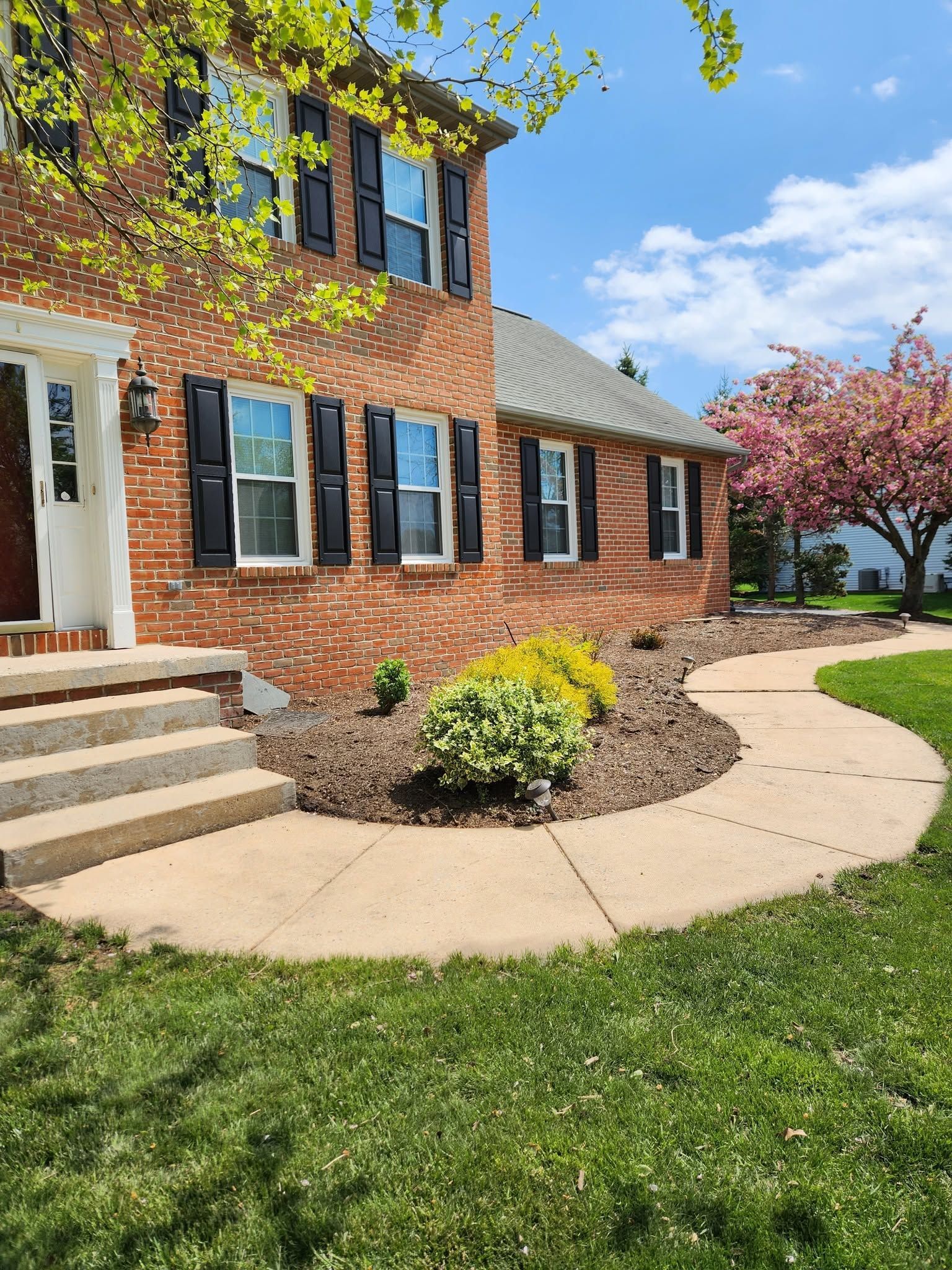
Once cleaning is complete, siding returns to its original color without the dark streaks and green discoloration that made the house look aged. Trim that appeared dingy or yellowed shows clean lines again, and soffits no longer have the brown staining where moisture wicked through vents. The curb appeal improvement is immediate—the house looks recently painted even though only cleaning removed years of accumulated grime.
The service includes rinsing windows, cleaning gutters' exterior faces, and treating foundation walls if they show algae growth. It does not include interior cleaning, roof shingle treatment, or sealing services, though identifying areas where caulk has failed or paint is peeling helps homeowners address those issues separately before they worsen.
Answers to Frequent Service Questions
Homeowners preparing for exterior cleaning often ask about methods, timing, and how the work protects different materials.
What is the difference between soft washing and pressure washing?
Soft washing uses low-pressure application of cleaning solutions that chemically break down organic growth, while pressure washing relies on high-velocity water to remove surface dirt and stains. Vinyl siding and painted wood require soft washing to avoid forcing water behind panels or stripping paint, whereas concrete and brick can handle pressure washing.
How long does exterior cleaning take for a typical home?
Most single-family homes in Altoona take three to five hours depending on square footage, the number of stories, and the amount of organic buildup present. Heavily soiled surfaces need longer dwell time for cleaning solutions to work effectively.
When is the best time to clean exterior surfaces?
Late spring through early fall provides ideal conditions because temperatures stay above fifty degrees, allowing cleaning solutions to activate properly and surfaces to dry completely. Frozen surfaces and temperatures near freezing prevent effective cleaning and increase the risk of ice formation.
Will cleaning damage plants along the foundation?
Plants are pre-wetted and rinsed throughout the process to dilute any cleaning solution that contacts foliage. Tarps protect sensitive plantings directly below work areas, and the final rinse removes residue from surrounding landscape beds.
How does removing organic buildup protect exterior materials?
Algae and mildew retain moisture against siding and trim, accelerating paint failure and material deterioration. Black streaks on siding are often a specific algae called gloeocapsa magma that feeds on limestone filler in shingles and siding, and its root structure etches into the surface if left untreated for years.
Under Pressure Pro Cleaners tailors each exterior cleaning service to the specific materials and conditions present on your property. Arrange a detailed estimate that accounts for surface types, accessibility, and the level of buildup requiring treatment.